


There was a time when you couldn’t attend a party in Accra without hearing the first few drums of Azonto and watching the entire room transform.
Azonto wasn’t just a genre. It was a movement.
Born from the streets and coastal communities of Ghana, Azonto blended rhythm, humor, storytelling and dance into one unforgettable cultural export. It turned everyday gestures into choreography. It made a local slang global and gave Ghanaians a soundtrack that felt proudly ours, loud, confident, playful, and unapologetic.
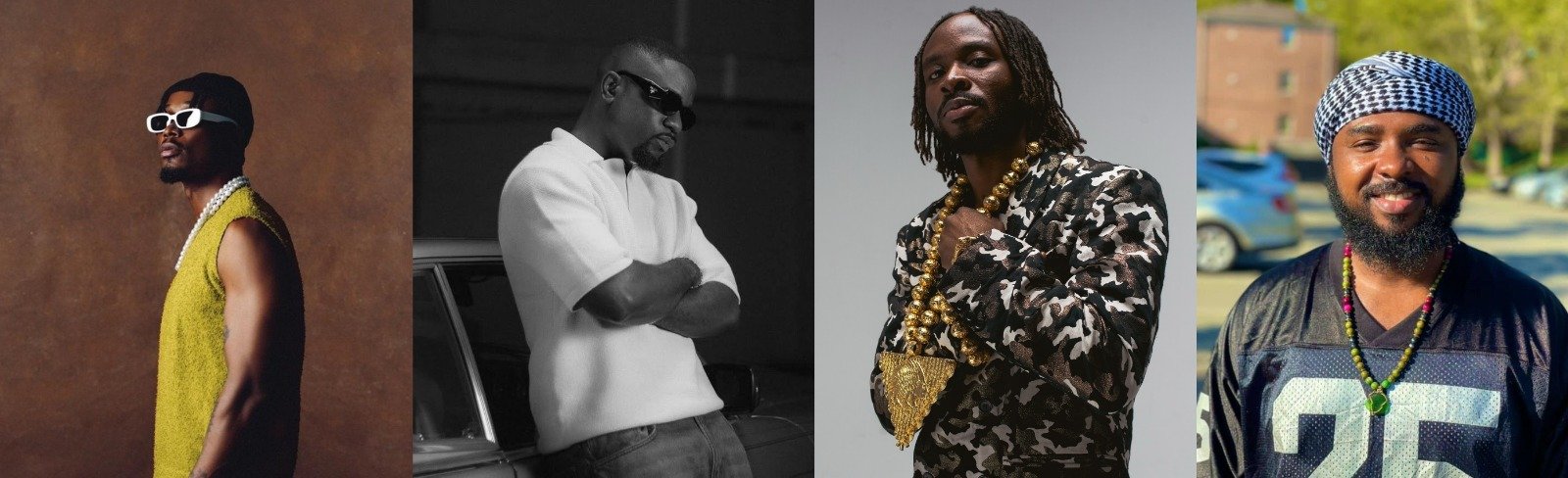
When songs like ‘U Go Kill Me’ by Sarkodie hit the airwaves, it didn’t just dominate Ghana, it traveled. And when E.L fused rap, melody and dance rhythms into club-ready records, Azonto evolved from a dance craze into a mainstream sonic force. Producers built beats specifically for it, dancers created identities around it, the diaspora amplified it. For a moment, Azonto was Ghana’s loudest cultural statement to the world.
Honorable mentions to E.L – Obuu Mo and Kaalu, Guru – Lapaz Toyota, R2Bees – Life (Walaahi), Stay Jay – Shashee Wowo, Keche – Aluguntugui, Gasmilla – Telemo, Fuse ODG – Antenna, Edem – Over Again, Kwaw Kese – Let Me Do My Thing.
Fuse ODG played a pivotal role in taking Azonto beyond Ghana’s borders. With his breakout single ‘Antenna’, he introduced the Azonto sound and dance to the UK mainstream and wider international audience. The record wasn’t just a hit, it became a cultural export, placing Ghanaian rhythm on global charts and dance floors. At a time when African music was still fighting for global space, Fuse ODG made Azonto visible, commercial, and undeniable.
And then, it faded…
Not because it lacked power. Not because it lacked global appeal, but because trends shifted. Afrobeats expanded, the industry chased a new sound, and consumers craved something different. Today, many describe Azonto as “abandoned.” The drums that once shook events now feel nostalgic. Younger audiences may know the moves, but not the origin. Yet the core ingredients that made Azonto explode still exist: strong percussive Ghanaian rhythm, dance-driven identity, and cultural storytelling viral potential.
In fact, in today’s TikTok and short-form video era, Azonto might be more positioned for global impact than ever before. It was built for virality before virality was even a strategy.
The conversation now is revival and not repetition.
Reviving Azonto doesn’t mean recreating 2012. It means refining the sound, modernizing the production, collaborating across borders, and positioning it intentionally. It means: updated production quality, strategic international collaborations, strong branding tied to Ghanaian identity, leveraging digital dance challenges, and owning the narrative. Globally, audiences respond to authenticity. Look at how Amapiano became a worldwide force and there’s dancehall cycling back. Sounds rooted in culture travel when positioned with clarity and consistency.
The genre doesn’t need saving. It needs a strategy.
Artists who once carried it and the new generation watching have an opportunity. A refined Azonto 2.0 could merge with contemporary Afrobeats, drill, or even electronic influences while maintaining its Ghanaian heartbeat. Artists like DopeNation represent a newer generation that understands the pulse of Azonto but modernizes it for today’s audience. Their sound blends classic Azonto drum patterns with Afrobeats bounce, catchy hooks, and high-energy production. What makes them stand out is their ability to create dance-driven records that feel both nostalgic and current at the same time. In many ways, their style proves that Azonto doesn’t need to be revived from scratch, it simply needs to be refreshed and strategically pushed again
Azonto was never just a dance. It was identity, confidence, and Ghanaian creativity packaged in rhythm. It gave us global moments, viral choreography, and records that still move crowds today. What changed wasn’t the quality, it was the positioning. With the right production value, intentional branding, and strategic international collaborations, Azonto can thrive again. The world is already dancing to African rhythms; Ghana doesn’t need to reinvent itself; it needs to refine and reintroduce what it already perfected. The revival of Azonto is not about going backward. It’s about recognizing unfinished global business.
If positioned well, Azonto could move from nostalgia to renaissance. And when that drum pattern drops again, not as a throwback, but as a reintroduction, the world will remember.
Because Azonto was never just a trend. It was and still can be a statement!!!
Story by: Jennifer Elorm